Get Fence Staining
Fence staining services offered by local contractors help protect, restore, and enhance the appearance of wood or vinyl fences, addressing issues like fading, weather damage, and wear.
If you’re considering enhancing the appearance and durability of your fence, you’re in the right place. Fence staining services are a practical way to protect your property’s outdoor features while adding a fresh, polished look. Whether you’re aiming to preserve the wood’s natural beauty or update the style of your fencing, exploring local contractors can help you find the right solutions tailored to your needs. Planning a fencing project often involves comparing options and understanding the benefits of professional staining, making it worthwhile to review what local service providers have to offer.
Property owners in the area often turn to fence staining to improve curb appeal, extend the lifespan of their fencing, and maintain the overall value of their property. With a variety of local contractors available, it’s possible to find experienced professionals who can handle different types of fencing and project scopes. Continuing to explore your options can help ensure you select the right service provider to meet your specific goals and keep your outdoor space looking its best.
- Fence Restoration - when a wooden fence has become weathered, faded, or damaged over time.
- New Fence Installation - for property owners installing a new wooden or composite fence who want a professional stain application.
- Fence Refresh - to enhance the appearance of an existing fence with a fresh stain or color update.
- Fence Repair - when sections of a fence are broken, warped, or rotting and require staining after repairs.
- Custom Staining Projects - for unique or decorative staining needs to match specific aesthetic preferences.

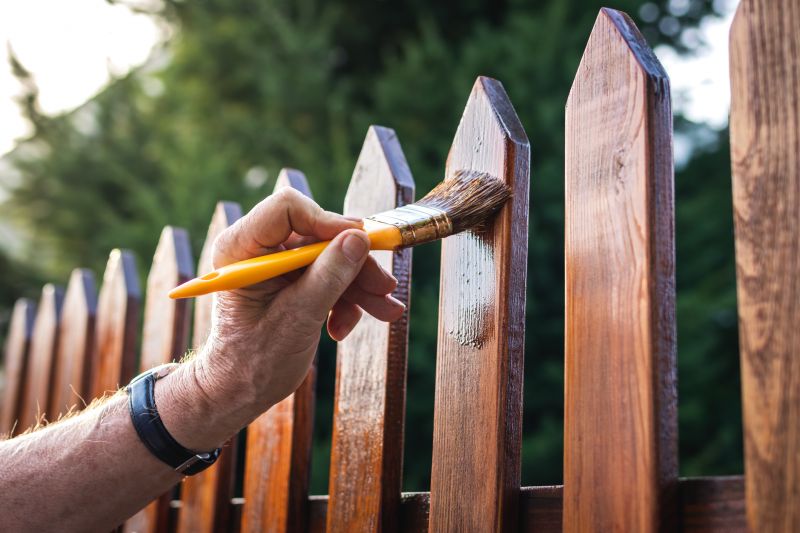
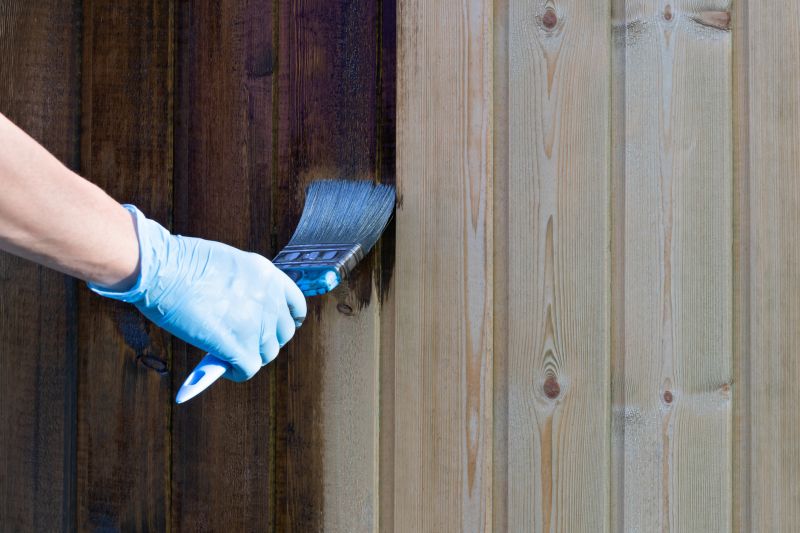
Fence staining services involve applying a protective and aesthetic finish to wooden fences, enhancing their appearance while helping to preserve the material. The process typically includes cleaning the fence surface, sanding or preparing it to ensure proper adhesion, and then applying stain or sealant evenly across the entire structure. This treatment not only improves the look of the fence but also provides a barrier against moisture, UV rays, and other elements that can cause wood to deteriorate over time. Skilled service providers can recommend the best type of stain based on the fence’s material and the homeowner’s aesthetic preferences.
Many common problems that fence staining helps address include fading, discoloration, and weather-related damage. Over time, wood fences can lose their vibrant color and develop signs of wear due to exposure to sunlight, rain, and temperature fluctuations. Without proper treatment, wood can also absorb moisture, leading to swelling, warping, or rotting. Staining helps mitigate these issues by sealing the wood, reducing the risk of water infiltration, and maintaining a fresh, vibrant appearance. Regular staining can extend the lifespan of a fence and reduce the need for costly repairs or replacement later on.
Fences are used on a variety of property types, from residential yards and gardens to commercial premises and community parks. Homeowners often choose to stain their backyard fences to boost curb appeal and ensure durability against the elements. Larger properties, such as estates or multi-family complexes, may require professional staining to maintain uniformity and protect extensive fencing systems. Even fences around pools or outdoor recreational areas benefit from staining, as it helps keep the wood in good condition despite frequent exposure to moisture and outdoor activity.
Homeowners typically consider fence staining when their fence starts to look dull, faded, or weathered, or if they notice signs of damage like cracking or splintering. It’s also a good maintenance step after installing a new fence to protect the wood from early wear. Regular staining can help keep a fence looking fresh and well-maintained, while also providing a protective layer that guards against moisture, rot, and sun damage. Service providers in the area can assess the condition of a fence and recommend the appropriate staining solution to preserve its appearance and integrity over time.
The overview below groups typical Fence Staining projects into broad ranges so you can see how smaller, mid-sized, and larger jobs often compare in your area.
In many markets, a large share of routine jobs stays in the lower and middle ranges, while only a smaller percentage of projects moves into the highest bands when the work is more complex or site conditions are harder than average.
Smaller Repairs - For minor fence staining touch-ups or small sections, local contractors typically charge between $250 and $600. These projects are common and usually fall within this mid-range, depending on fence size and condition.
Full Fence Staining - Complete staining of a standard-sized fence often costs between $1,000 and $3,000. Many routine jobs land in this range, with larger or more detailed fences potentially reaching higher prices.
Fence Restoration or Re-staining - Restoring an older fence or applying a fresh stain can range from $1,500 to $4,000, depending on the extent of prep work needed. These projects are less frequent but can push into higher cost brackets.
Full Fence Replacement - Replacing an entire fence with new materials and staining can cost $4,000 to $10,000 or more. Larger, more complex projects tend to fall into the higher end of this spectrum, while smaller fences are usually less expensive.
Actual totals will depend on details like access to the work area, the scope of the project, and the materials selected, so use these as general starting points rather than exact figures.
Deck Staining - local contractors skilled in preparing and applying stain or sealant to wooden decks, sharing techniques with fence staining projects.
Wood Furniture Refinishing - professionals experienced in restoring and finishing wooden furniture, utilizing similar sanding and staining methods as fence staining.
Exterior Wood Surface Treatments - service providers who treat outdoor wooden structures like gazebos and pergolas, requiring comparable surface prep and staining skills.
Playground Equipment Staining - local pros capable of applying protective finishes to outdoor wooden playsets, involving similar planning and application techniques.
Outdoor Structure Painting - contractors who paint or stain other exterior wooden features, using comparable surface preparation and finishing processes.
Fence Repair and Restoration - specialists who repair and prepare fences for staining, ensuring proper surface conditions for optimal stain adhesion.
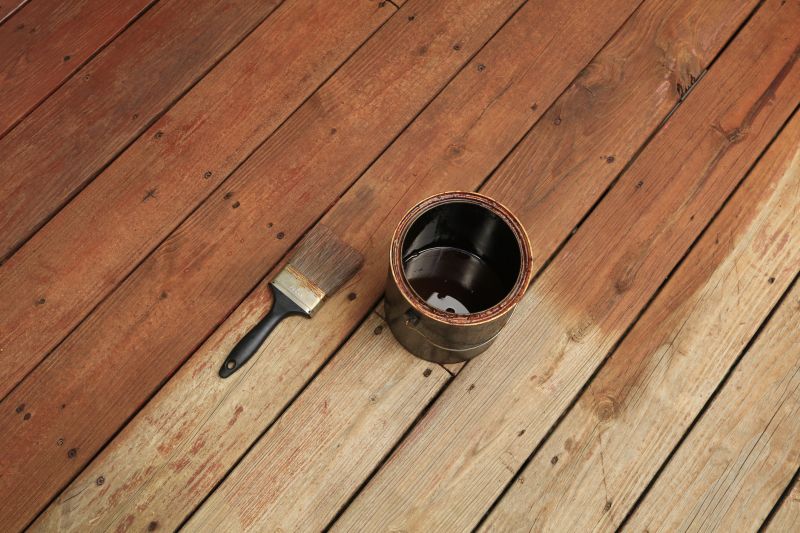
When comparing contractors for fence staining services, it’s important to consider their experience with similar projects. Homeowners should look for local contractors who have a proven track record of working on fences comparable in material, size, and style to their own. An experienced service provider will be familiar with the best techniques and products to achieve a durable, even finish, and will understand the nuances of different fencing materials. Asking about previous work or requesting examples of completed projects can help gauge whether a contractor has the relevant expertise needed for the job.
Clear, written expectations are essential to ensure that both the homeowner and the contractor are aligned on the scope of work. When evaluating local pros, it’s helpful to review their estimates or proposals carefully, making sure they detail the work to be done, the types of stain to be used, and any preparation or finishing steps involved. Having these expectations documented can prevent misunderstandings and provide a reference point throughout the project. Homeowners should feel comfortable asking for clarification or additional details if something isn’t clear, fostering transparent communication from the outset.
Reputable references and good communication are key indicators of a reliable service provider. Homeowners can ask local contractors for references from previous clients or look for reviews that highlight their professionalism and quality of work. Effective communication-responding promptly, listening to specific needs, and providing clear answers-helps build trust and ensures the project progresses smoothly. While the site introduces homeowners to local options, it’s important to remember that the actual work is handled by the chosen service providers, who should be selected based on their experience, clarity of expectations, and reputation for good communication.
Property owners use Fence Staining services for practical projects around their homes and businesses. This guide focuses on everyday jobs and straightforward project options.
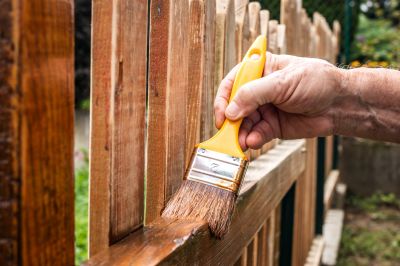
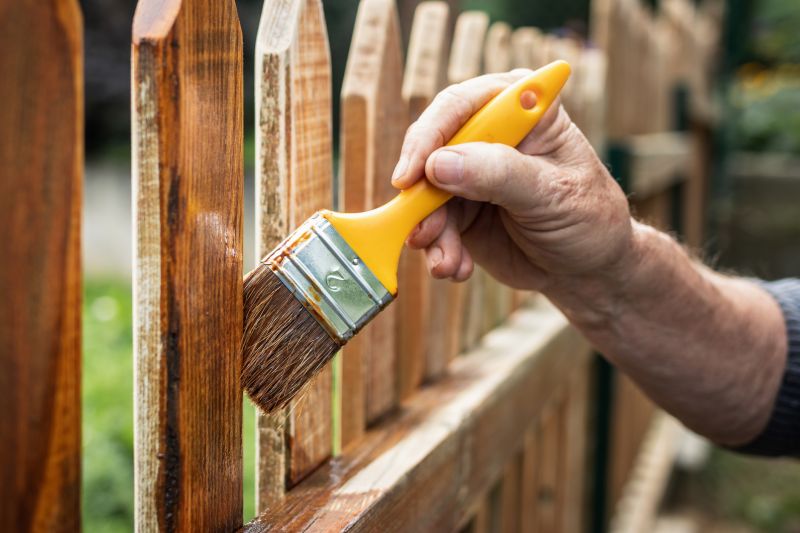
Fence staining is a common project for property owners looking to enhance the appearance and durability of their outdoor spaces. Whether a homeowner wants to refresh a faded fence, protect wood surfaces from weathering, or prepare for upcoming outdoor gatherings, local contractors can provide the necessary staining services to meet these needs. These professionals often work with a variety of fence types and styles, helping property owners maintain the aesthetic appeal of their yards while extending the life of their fencing.
Many property owners seek fence staining services when preparing their homes for seasonal changes or after noticing signs of wear. Fences that have become dull, discolored, or damaged from exposure to sun, rain, or snow may benefit from professional staining. Local service providers can assess the condition of a fence and apply a fresh coat of stain to improve its appearance and help protect it from future damage, making it a practical choice for maintaining outdoor property features.
What is fence staining? Fence staining involves applying a protective and decorative finish to a fence's surface to enhance its appearance and durability.
Why should I consider staining my fence? Staining can improve the look of a fence, help protect it from weather damage, and extend its lifespan.
What types of stains are available for fences? There are various stains including transparent, semi-transparent, and solid stains, each offering different levels of color and protection.
Can local contractors handle different types of fences? Yes, many service providers are experienced with staining wood, vinyl, and composite fences.
How often should a fence be stained? Typically, fences should be stained every few years, depending on the type of stain used and local weather conditions.
Enhance Privacy and Security - Staining a fence can improve privacy and create a more secure outdoor space for daily activities.
Protect and Extend Fence Lifespan - Applying stain helps shield wood from weather damage, reducing the need for frequent repairs or replacements.
Refresh Curb Appeal - Staining can give an existing fence a clean, updated look that complements the overall style of a property.
Define Property Boundaries - A freshly stained fence clearly marks property lines, helping to establish boundaries for outdoor use.
If you are thinking about Fence Staining for a property, this guide is meant to help you understand the work, the typical project types, and how different options might fit your plans.
When you are ready, you can use the quote form on this page to share a few details about your project. From there, local pros can review the basics and respond with options that match what you have in mind.